Back to Blog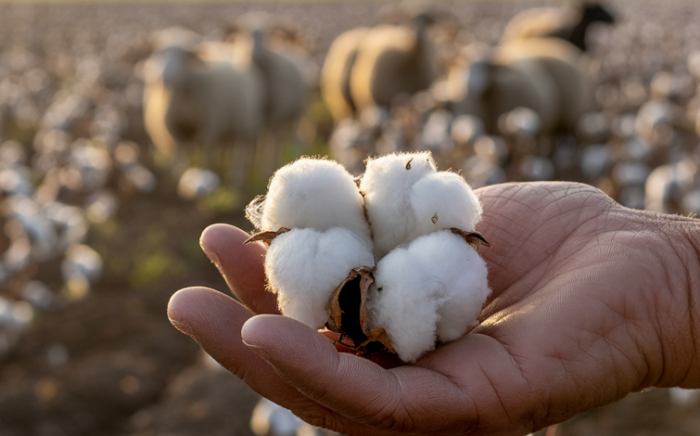
Sustainability has long been the fashion industry’s goal—but a growing number of brands are beginning to realize that simply reducing harm isn’t enough. Regenerative textiles represent a more ambitious approach: one that not only avoids damage, but actively repairs ecosystems, builds soil health, and strengthens biodiversity.
This shift is redefining how we think about fiber sourcing and what it means for the future of fashion.
What makes a textile regenerative?
Regenerative textiles begin with regenerative agriculture—the practice of farming in a way that restores, rather than depletes, natural systems. Unlike conventional or even organic farming, regenerative practices focus on soil regeneration, carbon sequestration, and holistic ecosystem management.
Fibers like cotton, hemp, and wool can all be grown using regenerative techniques. Key principles include:
These practices result in healthier soil, increased biodiversity, and greater resilience to drought and climate change.
How regenerative compares to organic
While organic certifications prohibit synthetic chemicals and GMOs, they don’t necessarily focus on soil health or biodiversity. Regenerative agriculture goes further by measuring positive outcomes—like soil carbon levels, water retention, and habitat restoration.
In this sense, regenerative is not a label but a philosophy—and brands are beginning to back it with measurable science.
Early adopters and case studies
A number of fashion companies are piloting regenerative supply chains:
These projects not only reduce environmental impact but also foster stronger relationships with farming communities—supporting rural livelihoods and knowledge transfer.
A long-term investment in resilience
Regenerative textiles are not a quick fix. They require upfront investment, long-term partnerships, and infrastructure to support sourcing, verification, and storytelling. But they also offer significant returns: healthier landscapes, deeper consumer trust, and differentiated product value.
As climate risks intensify, regenerative systems may become essential for securing long-term fiber supply and brand credibility. For an industry built on natural resources, rebuilding those systems is not only ethical—it’s strategic.