Back to Blog
The fashion industry has long relied on synthetics like polyester and nylon — materials that are durable, versatile, and cheap, but environmentally costly. Derived from fossil fuels and resistant to decomposition, these fibers pollute oceans, shed microplastics, and contribute heavily to carbon emissions. As sustainability pressures intensify, designers and innovators are seeking not just alternatives, but breakthroughs.
Enter biodesign. By harnessing biotechnology and living organisms, biodesign creates textiles that grow, adapt, and decompose naturally. From spider-silk proteins brewed by microbes to mushroom-based “leather” and seaweed-derived yarns, living materials are redefining what fashion can be. This is not only a technical innovation — it’s a paradigm shift in how we think about textiles, waste, and the very role of clothing.
The Science of Living Materials
At its core, biodesign uses biology as a co-creator. Instead of extracting resources and manufacturing synthetics, designers partner with organisms to produce materials:
• Microbial silk: Companies like Spiber ferment engineered microbes to produce silk-like proteins that mimic spider silk — one of nature’s strongest fibers.
• Bacterial cellulose: Certain bacteria generate cellulose sheets during fermentation, which can be processed into lightweight, biodegradable fabrics.
• Mycelium leather: Mushroom root systems (mycelium) are grown into dense mats that replace animal leather with a plastic-free, compostable option.
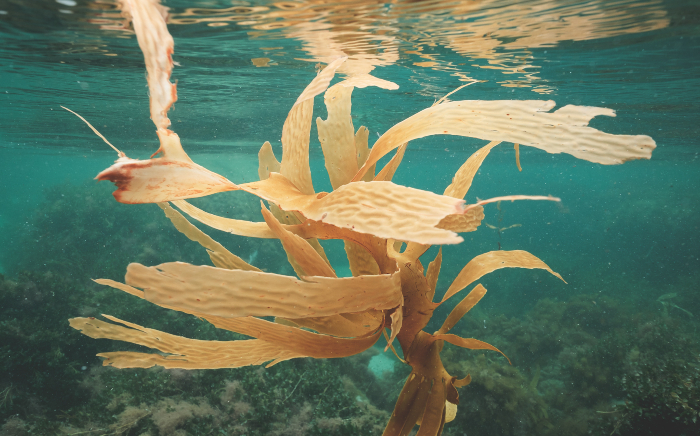
• Algae and seaweed fibers: Renewable marine resources are being spun into yarns that biodegrade without leaving toxic traces.
These innovations don’t just eliminate plastics — they also open the door to fibers with built-in functionality, like natural coloration, antimicrobial properties, or water resistance, reducing the need for harmful treatments.
Biodesign Meets Fashion
Avant-garde fashion has become the testing ground for living textiles. Designer Iris van Herpen has incorporated biodesign materials into haute couture, collaborating with scientists to create gowns that blur the line between organism and garment. Startups like Bolt Threads (with Mylo™ mycelium leather) and Werewool (with protein-engineered, color-infused fibers) are partnering with global brands to explore scalable applications.
These experiments are more than aesthetic showcases — they are proof that biodesign can work in real garments. As major luxury houses and forward-thinking labels invest in living materials, the industry is signaling readiness to move biodesign from the lab to the marketplace.
Challenges and Opportunities
As with any innovation, biodesign faces hurdles. Scaling up production requires specialized facilities, investment, and consumer education. Living materials may also face regulatory questions around safety and biodegradability standards. And while prototypes are striking, affordability and durability at scale remain open questions.
Yet the opportunities are profound. Biodesign can radically reduce dependence on fossil fuels, eliminate plastic-derived microfibers, and support circularity by ensuring garments safely return to nature. For brands, embracing living materials creates a unique value proposition: products that not only minimize harm but tell powerful stories of co-creation with nature.
Conclusion: Designing with Life
Biodesign is more than a material innovation — it’s a philosophical shift. By designing with living systems, fashion transforms from a linear, extractive model into a regenerative, circular one. Textiles that grow, evolve, and biodegrade suggest a future where fashion lives in harmony with the planet rather than at its expense.
The future of textiles may no longer be about what we manufacture, but what we cultivate. In biodesign, the industry finds not just a new toolkit, but a new vision: fashion as a living, breathing partner in the planet’s renewal.