Back to Blog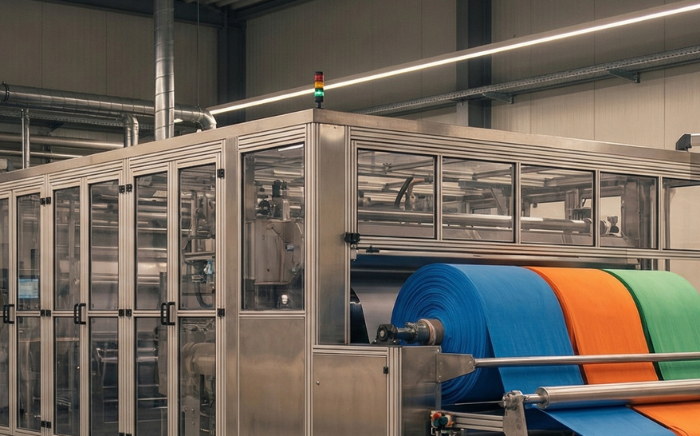
Color is one of the most powerful elements in fashion. It defines trends, communicates identity, and shapes emotional connections with clothing. Yet behind every vibrant garment lies a hidden environmental cost. Traditional dyeing processes require enormous amounts of water and chemicals, making textile coloration one of the most polluting stages of garment production.
According to industry estimates, textile dyeing consumes billions of liters of water each year and contributes significantly to industrial wastewater pollution. As sustainability pressures increase, manufacturers and researchers are searching for ways to maintain the richness of color while dramatically reducing environmental impact.
Waterless dyeing technologies are emerging as a promising solution, offering new ways to bring color to textiles without the heavy ecological footprint of traditional methods.
The Science of Waterless Dyeing
Several innovative technologies are redefining how textiles are colored.
One of the most advanced methods uses supercritical carbon dioxide (CO₂) instead of water. In this process, CO₂ is pressurized and heated until it behaves like both a liquid and a gas. Dye pigments dissolve into this supercritical fluid and penetrate textile fibers effectively. After the dyeing process, the CO₂ can be recovered and reused, creating a closed-loop system with minimal waste.
Another approach is foam dyeing, where dyes are applied through foam rather than liquid baths. Because foam requires far less water, the process dramatically reduces resource consumption while maintaining color quality.
Digital printing technologies also play a role. Advanced pigment printing systems can apply precise amounts of color directly onto fabric, reducing excess dye and eliminating many washing steps.
Together, these innovations are transforming one of the most resource-intensive parts of textile production.
Opportunities for the Fashion Industry
Waterless dyeing technologies offer significant environmental and operational advantages.
Reducing water consumption is the most obvious benefit. In regions where textile manufacturing strains local water resources, these technologies can dramatically reduce environmental stress.
Chemical usage also declines. With fewer dye baths and rinsing stages, manufacturers can minimize toxic wastewater and simplify treatment processes.
Brands benefit as well. Sustainable dyeing methods support environmental commitments while also improving production efficiency. Faster dyeing cycles and reduced energy consumption can lower operational costs over time.
For consumers, the appeal lies in knowing that the vibrant colors in their garments were produced with far less environmental harm.
Barriers to Adoption
Despite the advantages, widespread adoption of waterless dyeing technologies faces several challenges.
Initial investment costs can be high. New machinery and specialized processes require significant capital, making adoption difficult for smaller manufacturers.
Compatibility with different fibers also remains an issue. Some waterless dyeing systems work best with synthetic materials such as polyester, while natural fibers like cotton may require alternative techniques.
Finally, the global textile industry operates on vast scales, and transitioning existing infrastructure takes time.
However, as sustainability regulations tighten and consumer awareness grows, these technologies are likely to play an increasingly central role in textile manufacturing.
A Future Where Color Leaves No Trace
The search for sustainable fashion often focuses on materials and recycling, but dyeing processes are equally critical to environmental impact. By rethinking how color is applied to textiles, waterless dyeing technologies offer a path toward cleaner and more responsible production.
As these innovations mature, the vibrant palettes of fashion may no longer come at the cost of polluted rivers and wasted resources. Instead, color itself can become a symbol of progress — proof that creativity and sustainability can coexist in the fabrics we wear.