Back to Blog
As sustainability becomes a defining force in fashion, textile certifications have emerged as a critical tool for both brands and consumers. But with so many labels—OEKO-TEX®, GOTS, BCI, bluesign® and more—understanding what each one represents can be confusing. These certifications aren’t just marketing claims; they reflect complex standards for environmental, social, and chemical responsibility.
Why certifications matter more than ever
In an industry long criticized for opacity, certifications offer a form of transparency. They signal that a material or product has passed independent testing for issues such as harmful substances, labor conditions, or environmental impact. As regulation tightens—particularly in the EU—certifications are becoming an essential part of compliance and market access.
They also help consumers navigate increasingly complex sustainability claims. Trustworthy third-party labels cut through greenwashing and allow for more informed decisions.
Breaking down the most common certifications
OEKO-TEX® STANDARD 100
Focus: Human health and product safety
Products carrying this label have been tested for harmful substances. It applies to finished products and components such as threads, buttons, and linings.
GOTS (Global Organic Textile Standard)
Focus: Organic fibers and processing standards
GOTS-certified textiles must be made from at least 70% organic fibers and meet strict social and environmental criteria throughout the supply chain, including wastewater treatment and labor rights.
BCI (Better Cotton Initiative)
Focus: Cotton farming practices
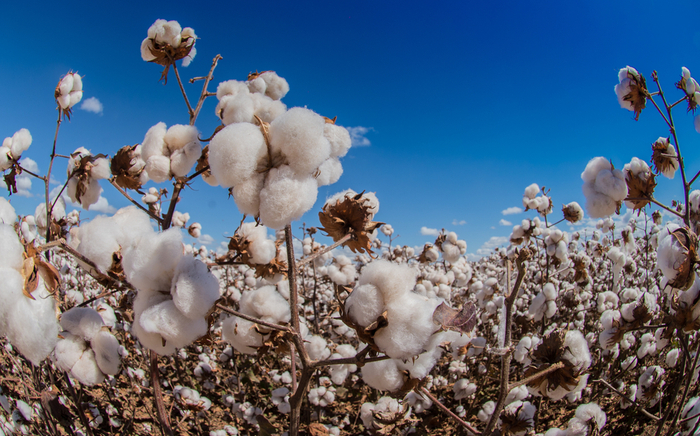
Unlike organic cotton, BCI allows some conventional methods but promotes better soil health, reduced pesticide use, and fair labor. It’s widely adopted and scaled across cotton-producing regions.
bluesign®
Focus: Chemical management and resource efficiency
This system focuses on reducing environmental impact by auditing raw materials and production processes, especially water and energy use. It is highly relevant for synthetic textiles.
Each certification covers different stages and aspects of the supply chain. Some focus on the farm, others on processing, and others on the final product. No single label does it all—understanding what each offers is key to responsible sourcing.
What this means for textile businesses
For brands, certifications are becoming part of operational strategy.
However, certifications also come with costs, audits, and compliance requirements. Brands need to evaluate which schemes align with their sourcing priorities and long-term goals.
In a fragmented regulatory landscape, certifications provide a unifying language—a way to measure, verify, and improve performance across materials and processes.