Back to Blog
The allure of fast fashion – cheap, trendy clothing at our fingertips – has captured the world's imagination. However, this seemingly magical convenience comes at a devastating cost to both people and the planet.
The environmental impact of fast fashion is staggering. The industry is a major contributor to water pollution, with toxic dyes and chemicals contaminating rivers and oceans. The production of synthetic fabrics, like polyester, is reliant on fossil fuels, exacerbating climate change. Moreover, the sheer volume of clothing produced and discarded results in massive amounts of textile waste clogging landfills.
Beyond the ecological crisis, fast fashion fuels a cycle of exploitation. Garment workers, predominantly women in developing countries, endure appalling conditions. Long hours, low wages, and unsafe working environments are commonplace. The relentless pursuit of profit and speed has led to a disregard for human rights.
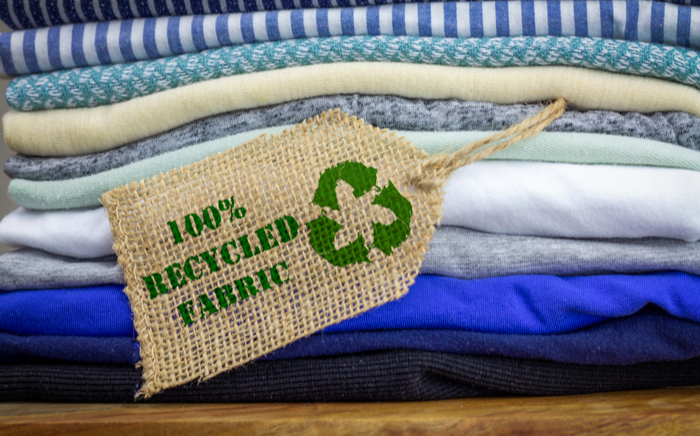
To break free from this harmful cycle, conscious consumerism is essential. By choosing to buy less and buy better, we can make a significant difference. Investing in high-quality, durable pieces made from sustainable materials reduces waste and supports ethical production. Supporting secondhand fashion and repairing garments extends their lifespan, diverting them from landfills.
Ultimately, the future of fashion lies in our hands. By demanding transparency, fair labor practices, and environmental responsibility from brands, we can drive positive change. It's time to shift our priorities from fleeting trends to timeless style, built on a foundation of sustainability and ethics.